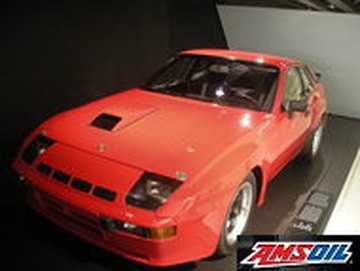
Maintaining Lubrication Integrity for the 1981 Porsche 924 2.0L
Proper engine care for a vehicle like the 1981 Porsche 924 2.0L requires a disciplined approach to fluid management and regular mechanical inspections. Because this model features a specific engine configuration, maintaining the correct lubrication standards is essential for long-term operational health. Effective maintenance involves more than just periodic oil changes; it requires a comprehensive understanding of how various components age and how to monitor them for signs of change.Monitoring Fluid Condition and Potential Seepage
A primary aspect of routine service involves observing the engine bay for any evidence of fluid movement where it should not be present. For an owner of a 1981 Porsche 924 2.0L, regular visual inspections can help identify issues before they escalate. When inspecting the engine area, look for signs of seepage or active leaks around various gaskets and seals. It is important to note that visible fluid on the exterior of an engine component does not always point to a single specific failure; rather, it warrants further investigation to determine the source. For example, a damp area around a sealing surface may indicate age-related degradation of a gasket. Similarly, any accumulation of oil in the lower areas of the engine compartment should be noted and investigated. Beyond just looking for leaks, checking the appearance of the lubricant itself can provide useful information. If the oil appears excessively dark, gritty, or shows signs of unusual contamination, it may indicate that the service interval has been exceeded or that other components are contributing to the degradation of the fluid. Consistent monitoring allows an owner to distinguish between minor seepage and more significant issues that require immediate attention.Managing Age-Related Component Integrity
As vehicles age, various materials undergo natural changes due to thermal cycling and time. For a 1981 Porsche 924 2.0L, maintenance priorities should shift toward inspecting components that are sensitive to environmental and heat exposure. If equipped, accessible drive belts should be examined for signs of deterioration such as cracking, glazing, or fraying. While these belts are vital for various engine accessories, their condition can vary significantly based on the vehicle's history and storage conditions. Similarly, if the vehicle is equipped with various rubber hoses, these should be checked for softness, brittleness, or swelling. Electrical connections and wiring harnesses also benefit from periodic inspection. Ensuring that connectors are secure and free from corrosion helps maintain the integrity of the vehicle's electrical systems. Furthermore, checking the condition of the air filtration system ensures that the engine is receiving clean air, which indirectly supports the longevity of the internal components by reducing the amount of particulate matter entering the combustion process.Establishing a Maintenance Baseline
For many owners, especially those who have acquired a vehicle with an incomplete service history, establishing a maintenance baseline is a critical first step. Without a clear record of what has been replaced or serviced in the past, it is difficult to predict future needs accurately. To build this baseline, start by reviewing all available documentation regarding previous repairs and fluid changes. If no records exist, a thorough inspection of the current state of the vehicle becomes necessary. This involves:- Documenting the current condition of all visible fluids.
- Identifying any active leaks or signs of component wear.
- Recording the age and condition of rubber components like belts and hoses, if present.
- Noting any unusual mechanical noises or changes in vehicle behavior.
Interpreting Potential Warning Signs
When performing routine checks, it is vital to recognize that certain symptoms can be associated with multiple different causes. An owner should remain observant but avoid jumping to conclusions without proper diagnosis. For instance, if an unusual odor is detected near the engine, it may indicate that lubricant is contacting a hot surface, but it could also stem from other sources. If there are changes in how the engine sounds during operation, such as new or rhythmic noises, this warrants a professional inspection to identify the source. Similarly, any unexpected consumption of oil should be investigated promptly. While some level of consumption can occur as engines age, significant changes in fluid levels between service intervals should not be ignored. If an oil-related warning indicator appears on the dashboard, it requires immediate attention to prevent potential damage. Always remember that symptoms are indicators for investigation rather than definitive proof of a specific part failure.Prioritizing Service Tasks Based on Condition
Effective maintenance is about working smarter, not just harder. Rather than following a rigid schedule of parts replacement based solely on the age of the vehicle, a more effective strategy for the 1981 Porsche 924 2.0L is to prioritize tasks based on the actual condition of the components. If a vehicle has been stored in a climate-controlled environment and shows no signs of wear, some age-based replacements might be deferred in favor of monitoring. Conversely, if active leaks or significant fluid degradation are observed, these should be addressed before any other preventive maintenance. Distinguishing between necessary repairs and unnecessary parts replacement is key to efficient ownership. Focus on addressing:- Active leaks that could lead to low fluid levels.
- Components showing clear signs of physical deterioration (cracking or fraying).
- Fluids that no longer meet the required cleanliness or viscosity standards.
Practical Guidance for Buying Engine Oil for your 1981 Porsche 924 2.0L
When it is time to replenish or change the lubricant, selecting a product that aligns with the specific requirements of the engine is paramount. Because different engines have unique needs regarding thermal stability and additive packages, you should never rely on general automotive knowledge or assumptions based on the vehicle's age alone. To ensure the correct selection for your 1981 Porsche 924 2.0L, match the engine oil to the application-specific viscosity information already displayed on this page. Before finalizing a purchase, carefully check the product labeling to verify that the oil meets the appropriate API certifications and quality standards. Depending on your specific maintenance goals and the current condition of the engine, you may choose between various formulations:- Conventional oils are a standard option for many applications.
- Synthetic blends can offer a balance of different lubricant properties.
- Full synthetic oils provide enhanced stability under varying thermal conditions.
- Some high-mileage oil formulations contain additives intended for use in aging engines, including seal-conditioning additives.